
Corpus-based Language Studies in Linguistics: A Study of Mcenery and XIAO
Article Sidebar
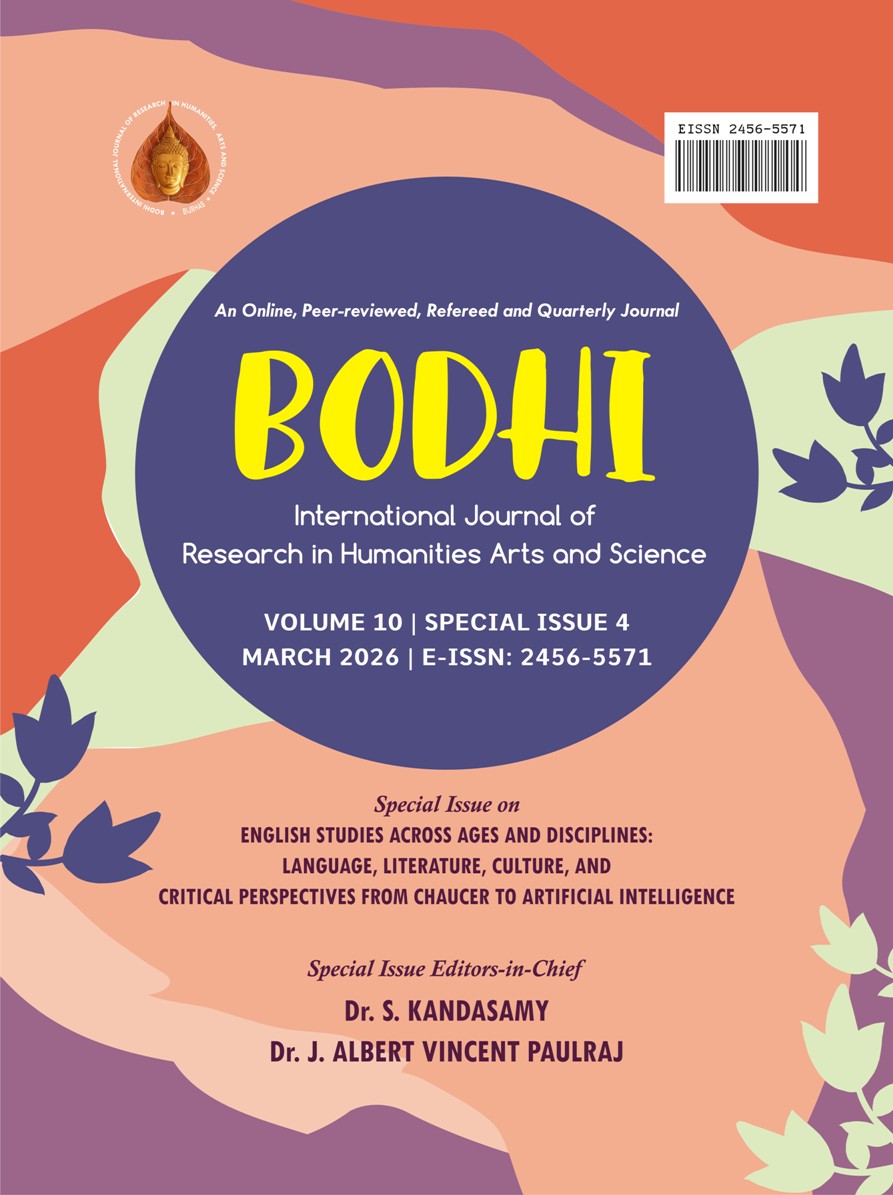
Main Article Content
Abstract
The abstract also recognizes corpus linguistics as a bridge between quantitative analysis and qualitative interpretation. While statistical tools help identify frequency, collocation, and variation, human interpretation remains essential in explaining why such patterns exist. By combining computational techniques with linguistic insight, corpus linguistics enables a deeper understanding of how language functions in practice. The paper therefore argues that McEnery’s contribution lies not only in promoting technological tools, but in redefining linguistic inquiry as a balanced interaction between data-driven an This paper examines McEnery and Xiao’s Corpus-Based Language Studies (2006), a seminal text that redefines linguistic inquiry through the systematic use of empirical language data. The authors argue that corpus linguistics marks a methodological shift from intuition-based theorizing to evidence-driven research, fundamentally transforming how language is analyzed, described, and interpreted. By exploring authentic, electronically stored linguistic datasets, corpus-based research uncovers recurring lexical, grammatical, and semantic patterns that remain inaccessible through traditional introspective approaches. The book situates corpus linguistics at the intersection of theory and application, demonstrating its relevance to areas such as lexicography, discourse analysis, translation studies, and language pedagogy. Through this study, the paper highlights how McEnery and Xiao establish corpus linguistics not merely as a tool for linguistic observation but as a comprehensive methodological framework that reshapes our understanding of language in use.
Article Details
Section

This work is licensed under a Creative Commons Attribution-NonCommercial 4.0 International License.